
Grease Trap Repair
Commercial Grease Trap Repair Service in Los Angeles
repair grease trap
Professional Grease Trap Repair for Commercial Kitchens in Los Angeles County
Did you search for grease trap repair near me because your restaurant is dealing with slow drains, foul odors, grease leaks, or wastewater backups? We provide commercial grease trap repair service for restaurants and food service facilities throughout Los Angeles County, including Los Angeles, Long Beach, Pasadena, Lancaster and nearby LA communities. Our experienced technicians inspect the system, identify the source of the damage, and explain the repair before work begins. Depending on the condition of the unit, repairs may include sealing cracks, correcting leaks, replacing worn seals, clearing clogged pipes, repairing damaged internal components, or restoring proper inlet and outlet flow. We focus on providing a lasting solution rather than covering up the symptoms. Whether the system requires emergency grease trap pumping or a scheduled repair inspection, we deliver prompt service designed to reduce kitchen disruption, protect surrounding plumbing, and support compliance with local FOG control requirements.

Common Signs Your Restaurant Needs Grease Trap Repair Service
Signs that indicate grease trap failures are sometimes easy to miss because the system may continue draining wastewater while damage develops. A leak, weakened seal, or damaged connection can gradually affect the surrounding floor and plumbing. Other faults only become noticeable during heavy commercial kitchen use. Knowing what to look for helps restaurant staff report problems early, avoid temporary fixes, and arrange restaurant grease trap repair before a minor defect becomes a larger and more expensive failure.
Visible Cracks or Corrosion Around the Grease Trap
Grease or Wastewater Leaking Around the Unit
Damaged Trap Lids, Seals, or Connection Points
Drainage Problems Return Soon After Professional Cleaning
Grease Escapes Through the Outlet Into Drain Lines
Kitchen staff should check the area around the grease trap at the beginning and end of each shift. They should look for wet floors, grease stains, cracks, loose covers, damaged seals, or unusual movement around pipe connections. Restaurant staff should pay attention to recurring slow drainage, gurgling sounds, and grease appearing near sinks or floor drains. When any of these problems are found, contact a professional grease trap repair company before the damage becomes worse.
Need Affordable Grease Trap Repair For Your Commercial Kitchen?
Need fast and affordable grease trap repair for your commercial kitchen? Did you search for grease trap repair near me in LA? We provide 24/7 emergency repair services for restaurants and food service facilities throughout the region. Our experienced technicians respond quickly to assess the problem before they cause greater disruption. We inspect the unit, explain the problem clearly, and recommend a practical repair solution based on its condition. After completing the work, we also provide preventative maintenance tips to help protect the system and reduce recurring problems. Do not wait for a small defect to become an expensive emergency. Call us at 888-697-8910 now to request a free quote.

GET A FREE QUOTE
Why Choose LAGC
Reliable Repairs That Saves Money
We provide dependable grease trap repair for restaurants and food service facilities throughout Los Angeles County. Our technicians identify the cause of leaks, drainage problems, damaged seals, faulty baffles, and broken connections before recommending repairs. We explain the work clearly, respect commercial kitchen schedule, and focus on lasting results.

Experienced Experts

AVAILABLE 24/7

Clear Estimates

iNDUSTRY EXPERTS

LOCAL IN lOS ANGELES

LICENSED & CERTIFIED
Guide To Grease Trap Repair
What You Should Know About Commercial Grease Trap Repair
Common Grease Trap Issues That Require Repair
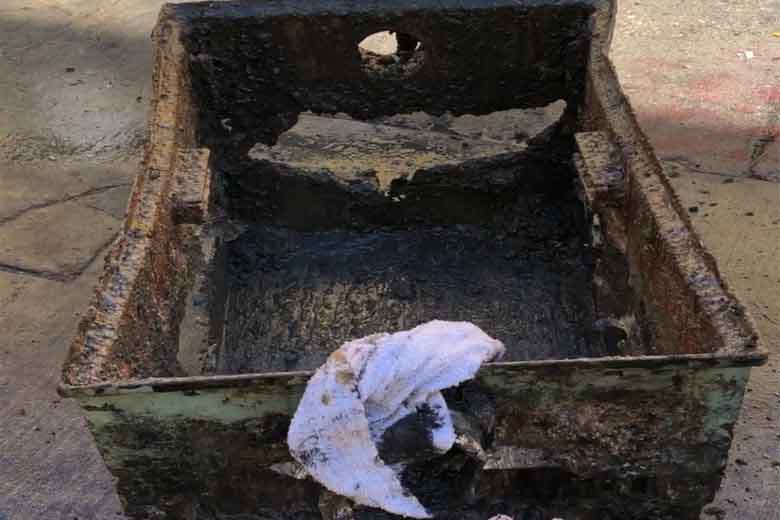
Grease trap repair is usually required when the tank or its connections can no longer contain wastewater or separate FOG correctly. Common structural problems include cracks in concrete or plastic grease trap baffle walls, corrosion in metal units, damaged lid or covers, and leaks around inlet-outlet pipe connections. Small defects may be repaired with compatible sealing materials, but the method must match the trap material and the extent of deterioration. Mechanical problems often involve worn gaskets, loose fittings, damaged flow controls, or internal parts that have shifted from their correct position. These failures can allow untreated grease to pass into the outlet line or cause wastewater to leak around the unit. Repeated drainage problems such as sewer backups, or overflowing floor drain after professional cleaning may indicate a damaged inlet, outlet, or internal passage rather than ordinary buildup. A qualified technician should inspect the system before recommending repairs. This prevents temporary patchwork, addresses the actual failure, and confirms whether commercial grease trap repair remains a practical option.
Should A Grease Trap Be Repaired or Replaced?
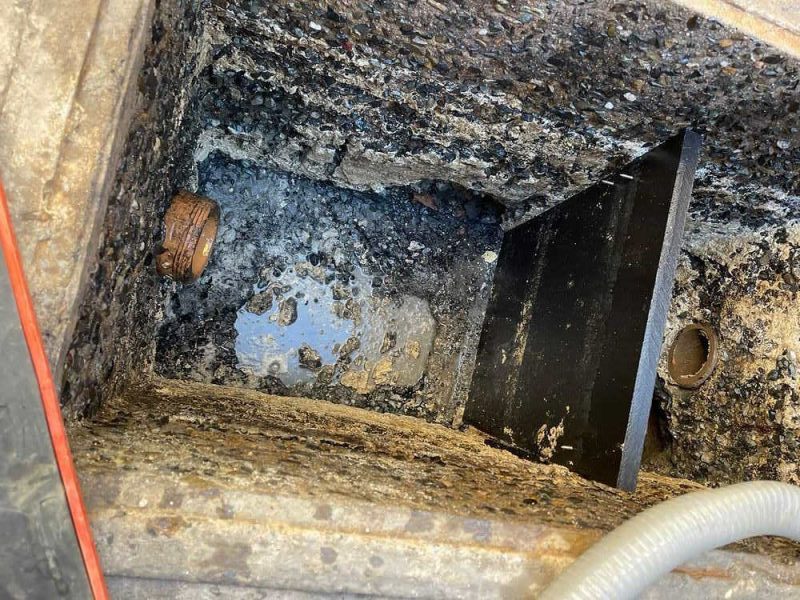
Restaurant Grease trap repair is appropriate when damage is limited to replaceable seals, fittings, connections, or small isolated cracks. Grease trap replacement becomes necessary when the tank has lost structural integrity through widespread cracking, severe corrosion, separated seams, or deteriorated walls and internal components. Leaks that allow grease or wastewater to enter surrounding areas also require immediate professional evaluation because they may create environmental hazard and sanitation risks. A qualified technician should assess the damage, system capacity, trap material, and local requirements before determining whether grease trap repair or replacement is the better option for the food service business.
Benefits of Timely Grease Trap Repair
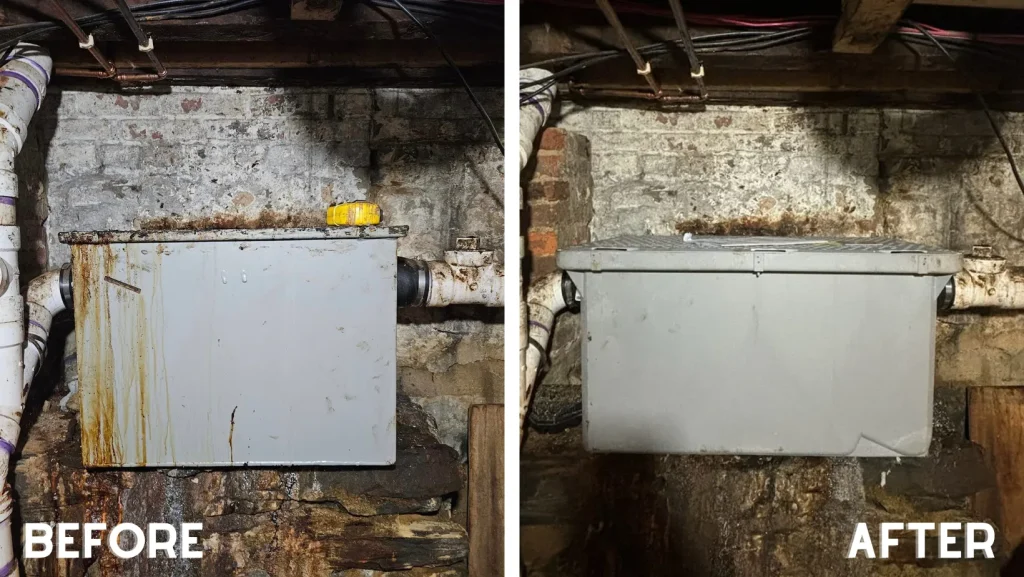
Timely grease trap repair prevents small defects from becoming larger and more expensive grease management failures. Sealing cracks, replacing worn seals, securing loose connections, and correcting damaged components can stop grease or wastewater from leaking around the unit. Early repairs also protect nearby floors, walls, drain lines, and plumbing connections from continued exposure to waste. For Los Angeles County restaurants, regular grease trap service means fewer unexpected interruptions during food preparation and service. Repairing damage promptly extends the useful life of the grease trap and reduces the need for premature replacement. It also helps the system separate FOG correctly and supports cleaner commercial kitchen conditions.
Contact Us for Grease Trap Repair Across Los Angeles County
We’re available 24/7 for emergency grease trap repair throughout Los Angeles County, including Los Angeles, Long Beach, Pasadena, Glendale, Burbank, Torrance, Inglewood, and nearby communities. Our experts can fix leaks, cracks, damaged seals, loose connections, and other failures that can interrupt commercial kitchen operations. We inspect the system, explain the problem clearly, recommend the most practical repair before work begins, and provide a detailed manifest report after the service is done. Whether the grease control unit needs urgent attention or a scheduled repair inspection, our team works efficiently to reduce disruption and restore reliable operation. Call 888-697-8910 today to request emergency service, or receive a free repair quote, for your Los Angeles County commercial kitchen.
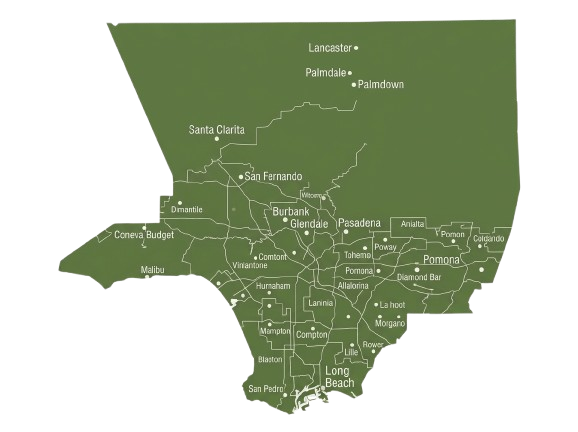
We Repair Grease Traps Throughout Los Angeles
Serving restaurants in Los Angeles, Long Beach, Pasadena, Torrance, Glendale, and nearby cities.
Long Beach
Burbank
Glendale
Lancaster
Palmdale
Pomona
Torrance
Pasadena
Downey
Covina
Norwalk
Compton
People Often Asks
Frequently Asked Questions About Commercial Grease Trap Repair
Learn about grease trap lifespan, inspections, clogs, grease trap overflows, leaks, and the correct repair steps.
1. How to fix a leak in a grease trap?
To fix a leaking grease trap, first clean and dry the area to identify where the liquid is escaping. Check the lid and gasket for cracks, wear, or an improper seal. Clean the gasket groove and replace the gasket if necessary. Inspect the inlet and outlet pipe connections, then carefully tighten any loose fittings. Small cracks in the tank body may be sealed temporarily with a waterproof epoxy compatible with the trap material. However, patching may not provide a lasting repair, especially when corrosion or structural damage is present. Contact a professional grease trap repair provider for inspection and repairs.
2. How do you inspect a grease trap for issues?
Commercial kitchen staff should inspect the grease trap area at the beginning or end of a shift. Look for grease stains, standing water, wet flooring, foul odors, loose covers, damaged seals, and visible cracks. Check the inlet and outlet connections for dripping, leaks, or unusual movement. Pay attention to slow sinks, gurgling drains, wastewater backups, and grease appearing near floor drains. Do not open the trap, touch contaminated waste, or attempt repairs without proper training. Record when the problem appeared and any changes noticed. Report every concern to the restaurant manager, who should arrange a professional grease trap inspection promptly.
3. What is the life expectancy of a grease trap?
A grease trap typically lasts 5 to 15 years, although material quality and operating practices can extend or shorten that period. Standard plastic and basic metal units often last about 5 to 10 years. High-quality stainless steel grease traps may remain serviceable for 15 to 25 years when properly installed and cared for. Heavy grease volume, corrosion, harsh cleaning chemicals, damaged components, and delayed repairs can reduce the unit’s lifespan. Regular inspections help identify cracks, leaks, worn seals, and structural deterioration early. A professional grease trap expert should evaluate an aging trap before recommending repair or replacement options.
4. How to fix a overflowing grease trap?
If a grease trap overflows in a commercial kitchen, you should immediately stop using all connected sinks, dishwashers, and drains. The affected area should be closed off, and absorbent pads should be used to contain spilled grease and wastewater. Contaminated waste should never be handled without suitable protective equipment. Surface grease may be carefully removed from a small indoor trap, but this will not resolve a blockage or overloaded system. Restaurant owners should contact a local company for emergency inspection, effective grease trap repair and cleanup.
5. How do I know if my grease trap is clogged?
Signs of a clogged grease trap include slow-draining sinks, foul odors, gurgling pipes, and wastewater backups. Water may take more than 60 seconds to drain from a filled sink when grease and food solids restrict the system. Strong rotting smells coming through kitchen drains often indicate decomposing waste inside the trap. Gurgling noises can mean water and air are struggling to pass through a blocked pipe. A severe clog may force contaminated water into nearby sinks or floor drains causing nasty sewer backups. If these warning signs appear, the system may be overloaded or blocked and should be evaluated before kitchen operation resumes.
6. What happens if a grease trap is not properly maintained?
When a grease trap is not properly maintained, fats, oils, grease, and food solids build up until the system loses capacity. Waste can then enter connected pipes, harden, and cause slow drainage, severe clogs, or wastewater backups. Decomposing food and grease also produce strong odors, encourage bacterial growth, and attract flies, cockroaches, and rodents. An overflow may contaminate kitchen floors, damage equipment, and create unsafe working conditions. Restaurants may face emergency cleaning costs, interrupted service, lost income, failed health inspections, and local compliance penalties. Continued neglect can eventually damage the trap and surrounding plumbing, making major grease trap repairs or replacement necessary.

Absolutely fantastic company to work with! Miko was incredibly customer friendly and happy to help, and provided assistance in any way he could.

Los Angeles
The Grease Company arrived quickly, cleaned our overflowing trap thoroughly, and left our restaurant kitchen ready for the busy dinner service that evening.

Long Beach
Their team handled our scheduled grease trap pumping professionally, explained the service clearly, and completed everything without interrupting our kitchen operations.
Pasadena
Absolutely fantastic company to work with! Miko was incredibly customer friendly and happy to help, and provided assistance in any way he could.
Lancaster
We needed emergency grease trap cleaning, and their crew responded promptly, removed the buildup, and helped prevent a complete restaurant shutdown that night.
Torrance