
Commercial Grease Trap Cleaning in Los Angeles
We provide professional grease trap cleaning, grease trap repair, and other grease management services for commercial kitchens in LA County.
GET A FREE QUOTE
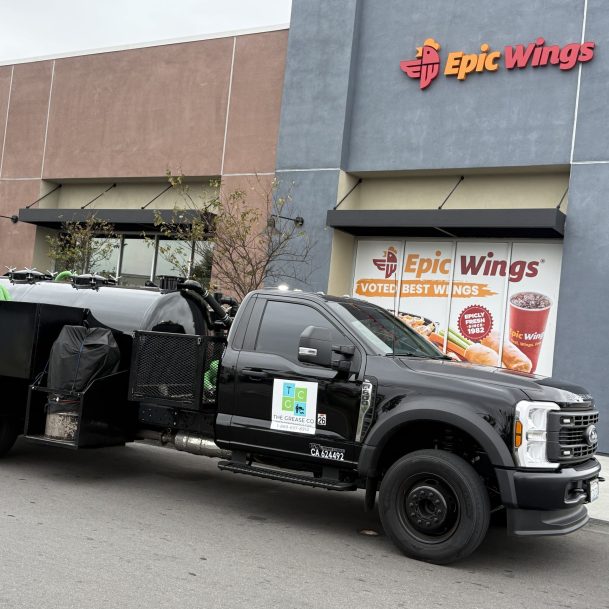
Complete Grease Management
Professional Grease Trap Cleaning Services Across Los Angeles County
Did you search for emergency grease trap cleaning near me for your restaurant in Los Angeles? Our professional grease trap cleaning service in Los Angeles County provides dependable grease trap pumping and responsible grease disposal services for commercial kitchens across Los Angeles, including Long Beach, Pasadena, Glendale, Burbank, Torrance, Inglewood, and surrounding LA communities. We remove accumulated fats, oils, and grease (FOG), food solids, and wastewater before they cause sewer backups, persistent grease trap smells, slow drains, or disruptive kitchen drain overflows. Our grease trap specialists inspect the system, pump out the contents, clean interior components, and dispose of collected grease waste responsibly. We service both indoor grease traps and large outdoor grease interceptors, with recurring plans available for kitchens producing high grease volumes. Whether you need routine care or urgent grease trap service, The Grease Company is available 24/7 to help keep restaurant kitchens cleaner, stay compliant with local FOG control regulations, and always ready for heavy-duty commercial kitchen operations.
Commercial Grease Trap Solutions We Provide
From grease trap cleaning to complex repairs and new grease trap installations, our grease trap experts provide effective solutions for commercial kitchens throughout Los Angeles County, helping restaurants prevent business disruptions, protect plumbing, and maintain safe dining environments.
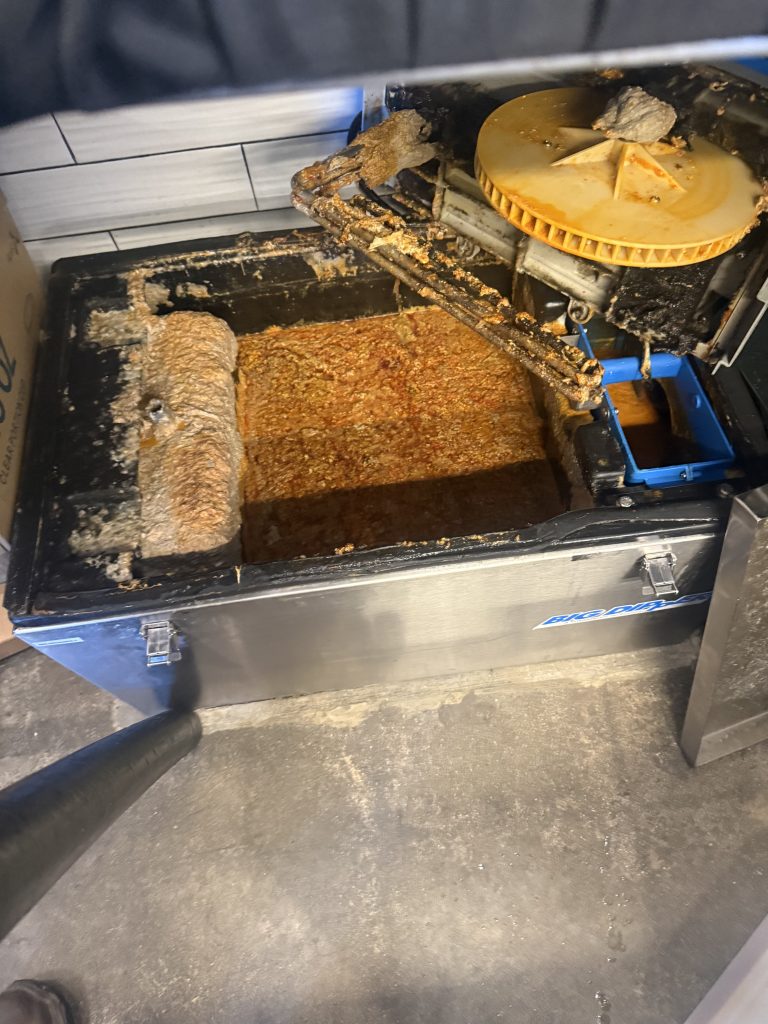
Grease Trap Cleaning
Our affordable grease trap pumping service removes FOG, prevents backups, controls odors, and maintain compliance.
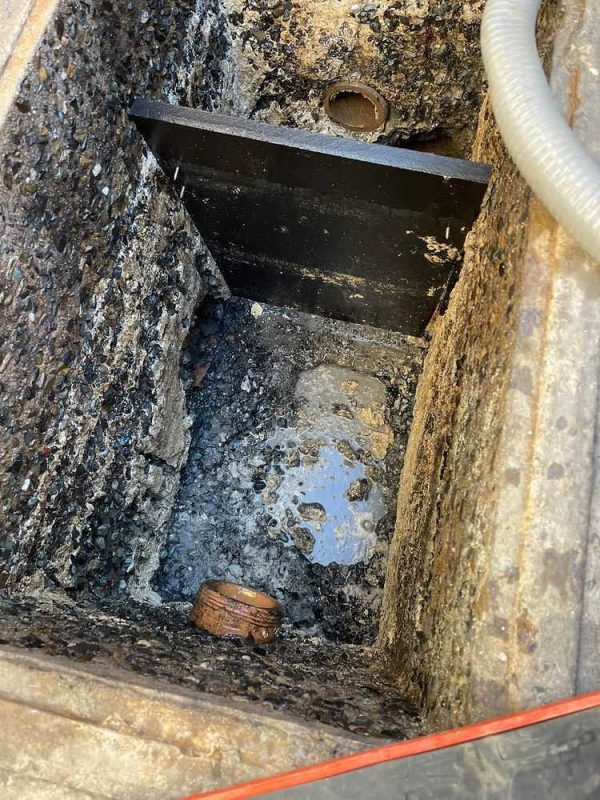
Grease Trap Repair
We provide expert grease trap repair service to resolve leaks, damage, and other grease trap issues for LA restaurants.
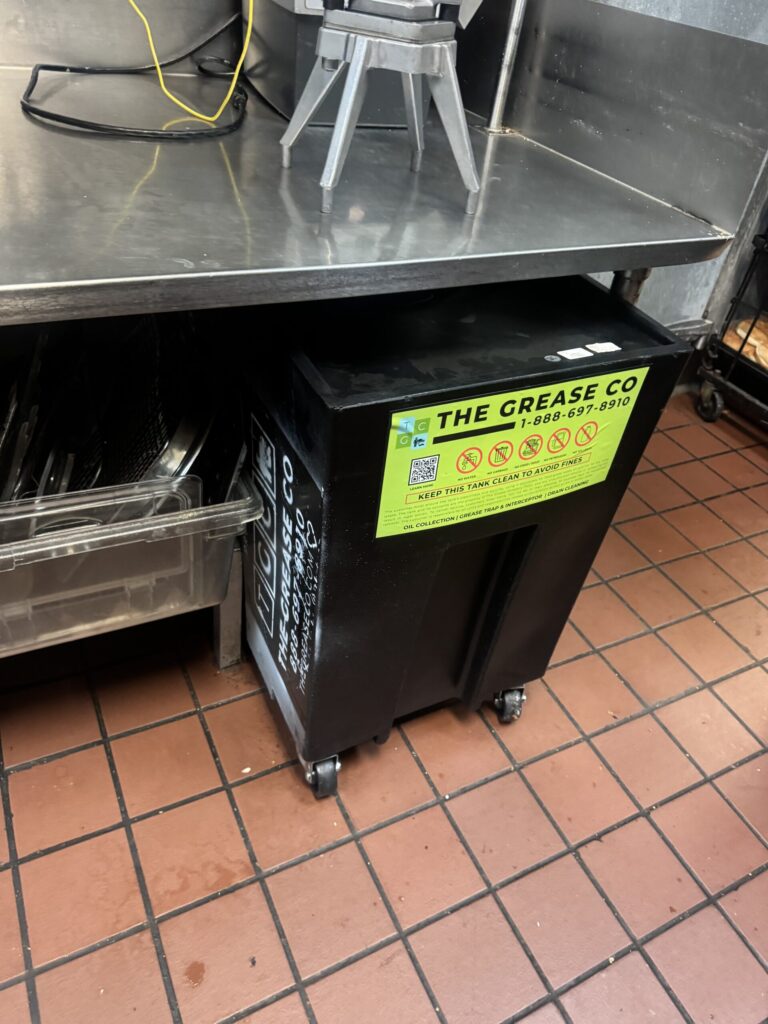
Grease Trap Installation
Professional grease trap installation delivers proper sizing, effective grease filtering, compliance and long-term protection.
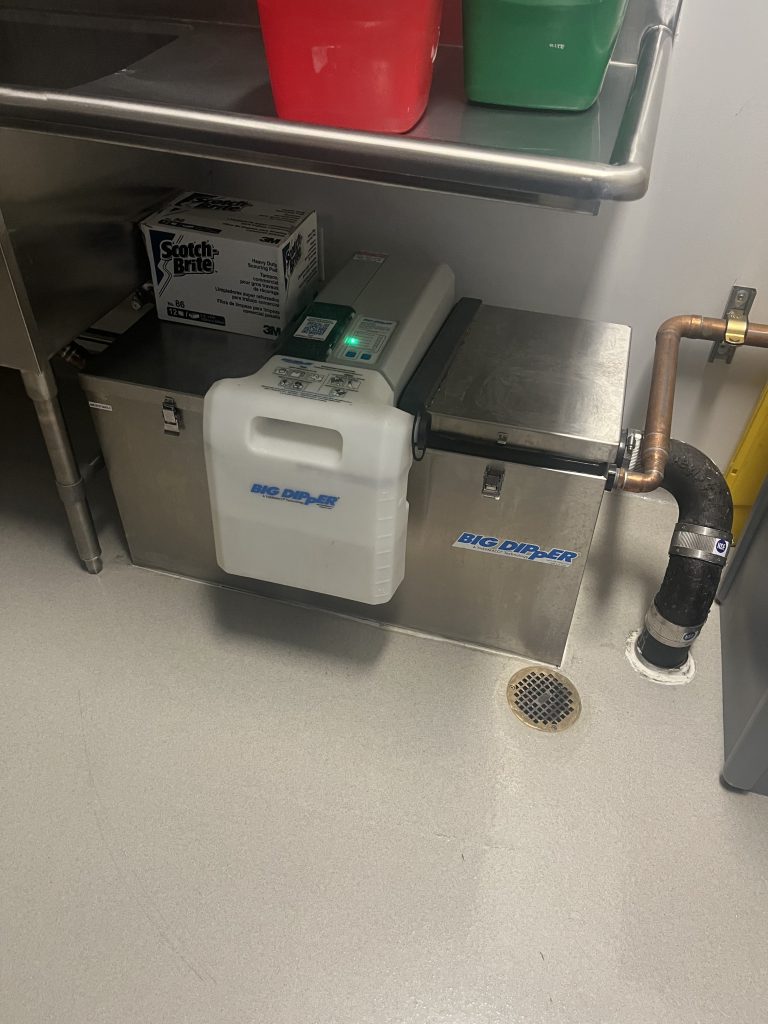
Grease Trap Replacement
Learn the major signs your commercial kitchen needs grease trap replacement, including cracks, backups, and odors.
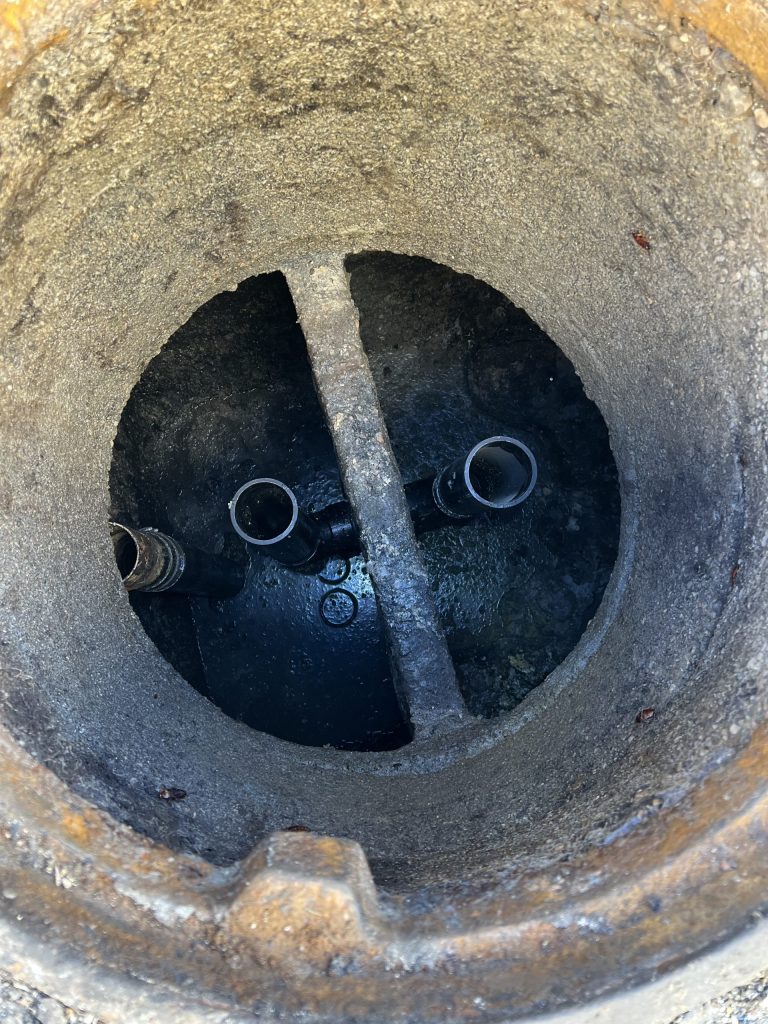
Grease Trap Baffle Repair
We provide effective grease trap baffle repair to restore efficiency and protect commercial kitchen drain lines.
Importance of Grease Trap Pumping
How Grease Trap Cleaning Protects Food Businesses in Los Angeles County
Regular Grease Trap Service Prevents Costly Sewer Backups
Regular grease trap service prevents fats, oils, grease, and food solids from building up and restricting wastewater flow inside a grease trap. As more grease waste accumulates, less space remains for separating FOG from wastewater. This grease buildup can slow drains, block plumbing lines, and eventually force contaminated wastewater back through sinks or floor drains. A serious sewer backup or overflowing grease trap can interrupt food preparation, damage flooring and cooking equipment, create sanitation risks for everyone, and force a restaurant to shutdown temporarily. Timely scheduled professional grease trap pumping removes accumulated waste before the system reaches a critical level. During a professional commercial grease trap cleaning service, technicians empty the unit, clean internal components, inspect the baffles, and check wastewater flow through the inlet and outlet pipes. This preventive maintenance approach helps Los Angeles restaurants maintain fluent drainage during busy hours while reducing repairs and operational downtime. Kitchens in Los Angeles, Pasadena, Glendale, Burbank, Torrance, and nearby communities must follow a regular grease trap cleaning schedule based on their trap size, cooking volume, grease production, and operating demands to support responsible FOG waste management.
Timely Grease Trap Cleaning Controls Foul Odors and Supports Health Code Standards
Grease trap smell develops when fats, oils, grease, and food solids remain inside the grease management system and begin to decompose. Bacteria feed on this organic waste and release foul-smelling gases that can travel through drain lines, sinks, poorly sealed trap covers, and can find their way toward the dining area. In a restaurant, these odors can make commercial kitchens’ cooking environments uncomfortable, concern customers, and signal poor sanitation during a grease trap inspection. Scheduled grease trap cleaning removes the decaying waste material before odors become persistent. Professional grease trap pumping removes odor-causing buildup before it affects air quality, customer comfort, or health code standards. Addressing grease trap odors at their source as early as possible, is more effective than masking them with harsh chemicals, air fresheners, or temporary deodorizing products.
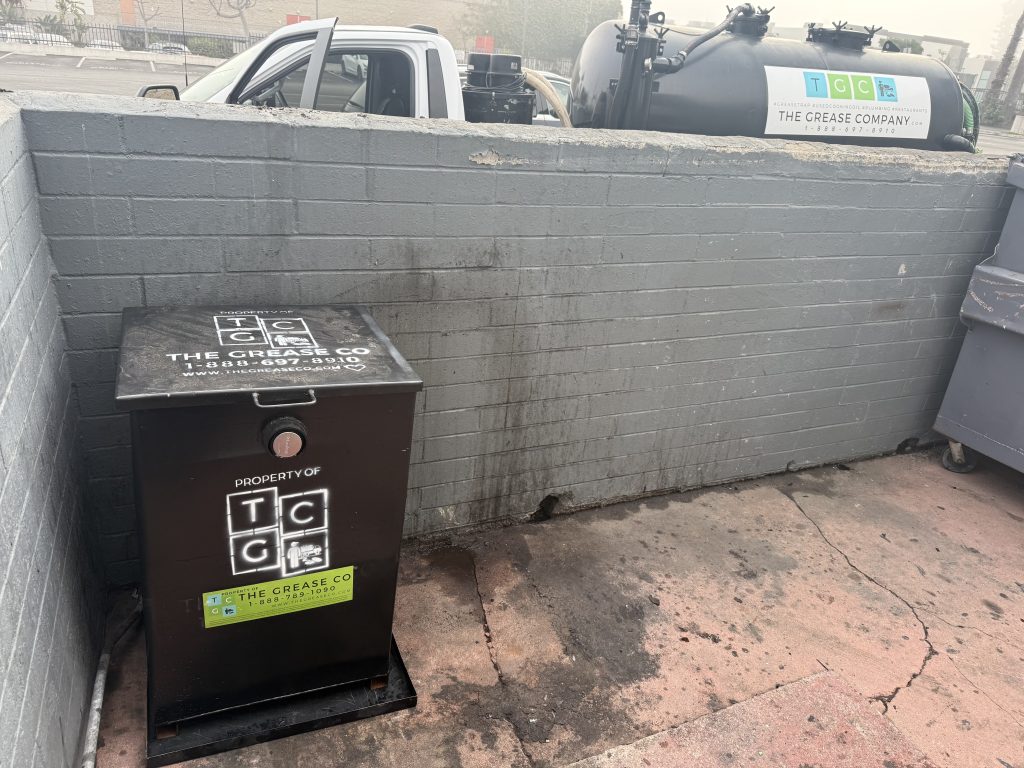
Efficient grease Pumping Improves Grease Management Efficiency
Grease traps work best when collected FOG and food solids are removed before the grease tank becomes overloaded. Efficient grease pumping clears this waste and leaves enough room for the system to separate grease from wastewater. Without sufficient capacity, grease can escape through the outlet and collect inside kitchen drains or sewer lines, reducing drainage performance and causing avoidable plumbing problems. For restaurants across Los Angeles County, regular grease trap pumping is not optional- it is an essential part of the best restaurant management practices. It helps sinks and floor drains handle wastewater properly while reducing the risk of grease reaching public sewer lines. Professional grease trap service also ensures collected waste is removed, handled, and disposed of responsibly while keeping kitchen operations running smoothly.
Contact Us for Reliable Grease Services in LA County and Surrounding Areas
Searching for “grease trap pumping near me” in Los Angeles County? You’ve found us, and we’re ready to help your commercial kitchen maintain a reliable grease management system that keeps you tension free. We serve restaurants, cafés, hotels, schools, and other food businesses throughout Los Angeles, Long Beach, Pasadena, Glendale, Burbank, Torrance, Inglewood, Santa Monica, Culver City, and nearby communities. Our experienced grease trap cleaners provide professional grease pumping, emergency repairs, and responsible grease waste disposal. Every service is carefully planned to protect your commercial kitchen, minimize disruption, and meet local grease management requirements. Call 888-789-1090 for dependable grease trap service.
Schedule Reliable Grease Trap Service for Restaurants Across Los Angeles
From small restaurants to large food processing facilities, our grease trap cleaning services remove waste, prevent backups, and keep commercial kitchen wastewater management effective and efficient.
Why Choose Us
Trusted Grease Trap Specialist Serving Los Angeles County
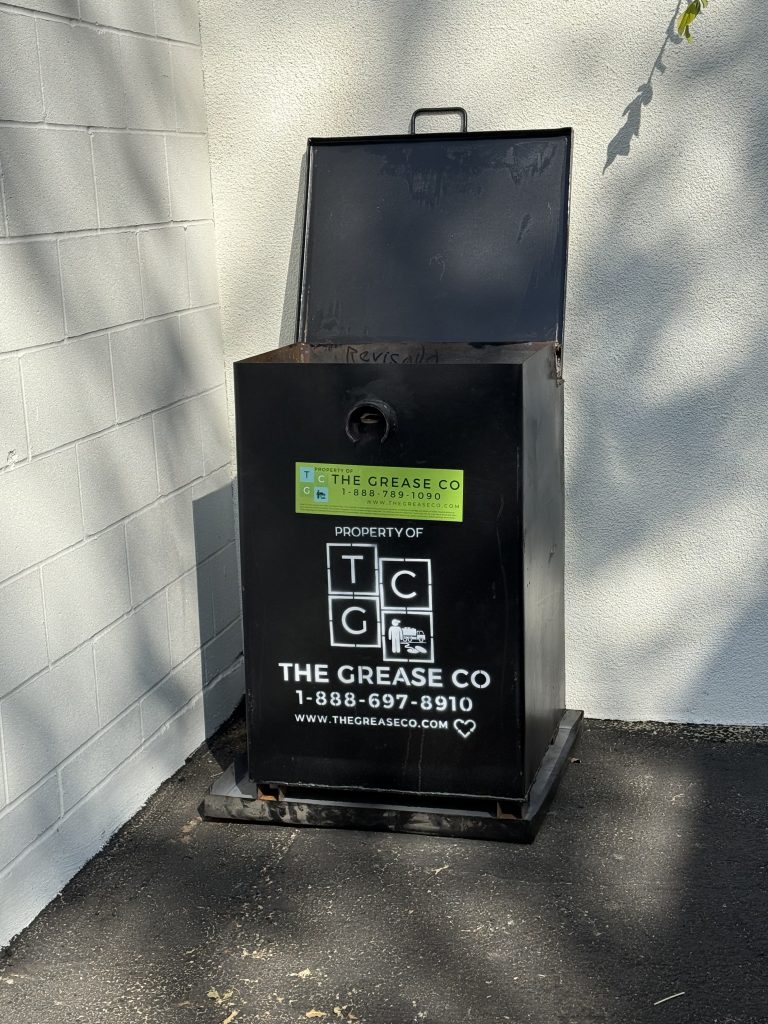
Experienced Grease Specialists
Our experienced technicians understand commercial grease systems and deliver dependable grease trap pumping for restaurants throughout LA County.
Available 24/7 for Emergency
We provide responsive grease trap service 24/7, helping commercial kitchens handle urgent problems without unnecessary operational delays.
Responsible Waste Handling
The grease waste we Collect is transported and disposed of responsibly, supporting cleaner restaurant kitchens and local FOG control requirements.
Detailed Manifest Reports
We provide manifest reports documenting collected grease waste, service details, transportation, and responsible disposal for local waste management compliance.
0% APR Options
Our experienced technicians understand commercial grease systems and deliver dependable grease trap pumping for restaurants throughout LA County.
Available 24/7 for Emergency
We provide responsive grease trap service 24/7, helping commercial kitchens handle urgent problems without unnecessary operational disruptoins.
Responsible Waste Handling
The grease waste we Collect is transported and disposed of responsibly, supporting cleaner restaurant kitchens and local FOG control requirements.
Detailed Manifest Reports
We provide manifest reports documenting collected grease waste, service details, transportation, and responsible disposal for local waste management compliance.
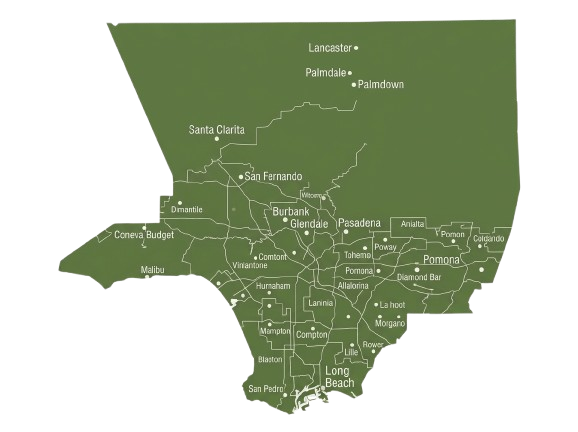
Service Areas in Los Angeles County
Providing grease trap services across Los Angeles, Long Beach, Pasadena, Glendale and others.
Long Beach
Burbank
Glendale
Lancaster
Palmdale
Pomona
Torrance
Pasadena
Downey
Covina
Norwalk
Compton
Industries We Serve
Grease Trap Services for Los Angeles Food Service Establishments
We provide grease trap cleaning, pumping, and other grease trap services to restaurants, cafés, hotels, schools, universities, supermarkets, hospitals, bakeries, and other food production facilities across different cities in Los Angeles County. Our services are designed for commercial kitchens, from Starbucks coffee shops and CSUDH dining halls and other high-volume food establishments.





Frequently Asked Questions
Common Questions About Commercial Grease Trap Services
Find helpful answers about grease trap cleaning, pumping, scheduling, costs, and maintenance.
1. Can a leaking grease trap be repaired or replaced?
The best way to clean out a grease trap is to remove every layer of grease, wastewater, and food solids without damaging the tank or its components. Stop nearby water use, wear gloves, protective clothing, and a mask, then carefully lift the lid without harming the gasket. Scoop hardened fats, oils, and grease into a secure container. Remove the remaining liquid and solids with a wet/dry vacuum or suitable bailer. Scrape the walls and clean the lid, baffles, and interior surfaces using warm water, mild dish soap, and a stiff nylon brush. Reinstall the baffles, secure the gasket and lid, then run warm water through the connected sink to test drainage. After the cleaning process is done, the collected grease waste has to be disposed of according to local requirements.
2. Can a leaking grease trap be repaired or replaced?
Grease traps should generally be cleaned every one to three months. However, restaurants should follow the 25% rule of grease trap cleaning, schedule service before fats, oils, grease, and solids occupy one-quarter of the trap’s working liquid depth. Once waste reaches this level, the trap has less room to separate FOG from wastewater effectively. Smaller traps and high-volume kitchens may reach the 25% limit sooner and require more frequent cleaning. Larger interceptors may go longer between services, depending on grease production and local requirements. Regular inspections help restaurant operators determine the right schedule, prevent overfilling, maintain proper flow, and reduce odors and sewer backups.
3. Can I empty my own grease trap?
Yes, you can clean a small indoor grease trap yourself using some basic grease trap cleaning equipment such as gloves, goggles, basic scrapping tools, and proper safety precautions. Cleaning a grease trap starts from carefully removing the lid without damaging its gasket, scooping out the hardened FOG layer, and scraping waste from the walls, bottom, and baffles. After that is done, clean the removable parts, reassemble the unit correctly, and test the water flow afterward. All collected grease waste must be sealed and disposed of according to local requirements. However, DIY grease trap cleaning may leave hidden grease buildup or damage unnoticed. Large outdoor grease interceptors require professional pumping equipment. For safer, more complete results, hiring a professional grease trap cleaning company is recommended.
4. What happens if you don't clean a grease trap?
If you do not clean a grease trap on time, grease and food waste will continue accumulating until the grease separation unit becomes overloaded. The trapped organic material begins to decay, creating foul odors that attract flies, cockroaches, rodents, and other pests. Wastewater may then drain slowly, back up through sinks, or overflow across the kitchen floor. This can contaminate work areas, interrupt food preparation, damage plumbing, and create an unpleasant environment for employees and customers. A neglected system may also raise concerns during health inspections and lead to fines, pest control expenses, frequent need for emergency grease pumping, and temporary restaurant closure when problems worsen without warning.
5. How to know if a grease trap needs cleaning?
Common signs that a grease trap needs cleaning include slow-moving drains, persistent kitchen odors, gurgling pipes, and grease appearing around sinks or floor drains. These problems usually occur when accumulated fats, oils, grease, sludge, and food solids reduce the trap’s available capacity. Wastewater may also begin backing up or flowing poorly through connected plumbing lines. Service records provide another useful indicator. When the previous cleaning date is unknown or the normal service interval has passed, a professional grease trap inspection should be scheduled. Measuring the FOG and solids inside the unit can confirm whether grease trap cleaning service is required for safe operation.
6. How much does it cost to clean a restaurant grease trap?
Cleaning a grease trap typically costs between $115 and $950 per visit. Small indoor or under-sink traps generally cost about $115 to $285 because they hold less waste and are easier to access. Larger outdoor or underground grease interceptors may cost $225 to $950, depending on capacity and service conditions. Final grease trap cleaning cost can also vary based on grease buildup, access, cleaning frequency, waste volume, disposal requirements, and whether emergency grease service is needed. A neglected or overflowing grease trap usually costs more to service. Restaurants should schedule an inspection and request a free quote from a professional grease trap cleaner for accurate service pricing.

Customer Reviews
Absolutely fantastic company to work with! Miko was incredibly customer friendly and happy to help, and provided assistance in any way he could.

Gabriella Storkson
Los Angeles
The Grease Company arrived quickly, cleaned our overflowing trap thoroughly, and left our restaurant kitchen ready for the busy dinner service that evening.

Maria Lopez
Long Beach
Their team handled our scheduled grease trap pumping professionally, explained the service clearly, and completed everything without interrupting our kitchen operations.
Daniel Kim
Pasadena
Absolutely fantastic company to work with! Miko was incredibly customer friendly and happy to help, and provided assistance in any way he could.
Gabriella Storkson
Lancaster
We needed emergency grease trap cleaning, and their crew responded promptly, removed the buildup, and helped prevent a complete restaurant shutdown that night.
Sophia Martinez
Torrance