
Grease Trap Installation
Grease Trap Installation Guide for Restaurants in Los Angeles
Grease Trap Installation Guide
What Is a Grease Trap and Why Is It Important for Commercial Kitchens in Los Angeles?
A grease trap is a widely used grease management device installed between commercial kitchen fixtures and the wastewater system. It separates and captures fats, oils, grease, and food solids before they can enter drain and sewer lines. As warm wastewater enters the grease separation unit, the wastewater flow slows, begins to cool. Solid food particles which are heavier than the grease settle at the bottom, while lighter FOG rises to the surface. Wastewater flows through the outlet pipe and continues into the drainage system. For commercial kitchens in Los Angeles, a correctly sized grease trap helps protect sewer pipes from hardened grease buildup, blockages, and wastewater backups. It also reduces the amount of grease entering public sewers, helping protect wastewater infrastructure and the surrounding environment. Restaurants, cafés, hotels, schools, and food production facilities may require different grease systems based on wastewater flow and grease volume. Proper grease trap installation services ensure the unit has enough capacity, connects to commercial kitchen plumbing, and remains accessible for inspection, grease trap maintenance, and future services.

Commercial Grease Trap Installation Checklist for Restaurant Owners
Before commercial grease trap installation begins, restaurant owners should confirm that the project meets the kitchens requirement and local grease trap Regulations. Grease trap size should be determined based on wastewater flow, connected fixtures, and expected grease production. Its installation location must provide practical access for inspection and grease trap pumping while limiting long pipe runs from commercial kitchen sink and other fixtures. The installer should confirm the required permits, connect the plumbing correctly, test the system, and arrange the final test before the grease trap starts to work.
Choose the Correct Grease Trap Size
Install Grease Trap Near Grease Producing Fixtures
Keep the Unit Accessible for Pumping
Confirm Proper Plumbing Venting and Drainage
Final Test the Grease Trap System Before Final Use
Before contacting a professional grease trap installation company, restaurant owners should gather information about their commercial kitchen. Note the number of sinks, dishwashers, floor drains, cooking stations, daily operating hours, and expected food volume. Measure the available installation area and identify whether an indoor or underground grease trap installation may be practical. Having recent plumbing plans, property access details, budget expectations, and preferred installation dates ready will help the grease trap installer to assess the project and provide a more accurate service.
Need Affordable Grease Trap Installation Services in LA?
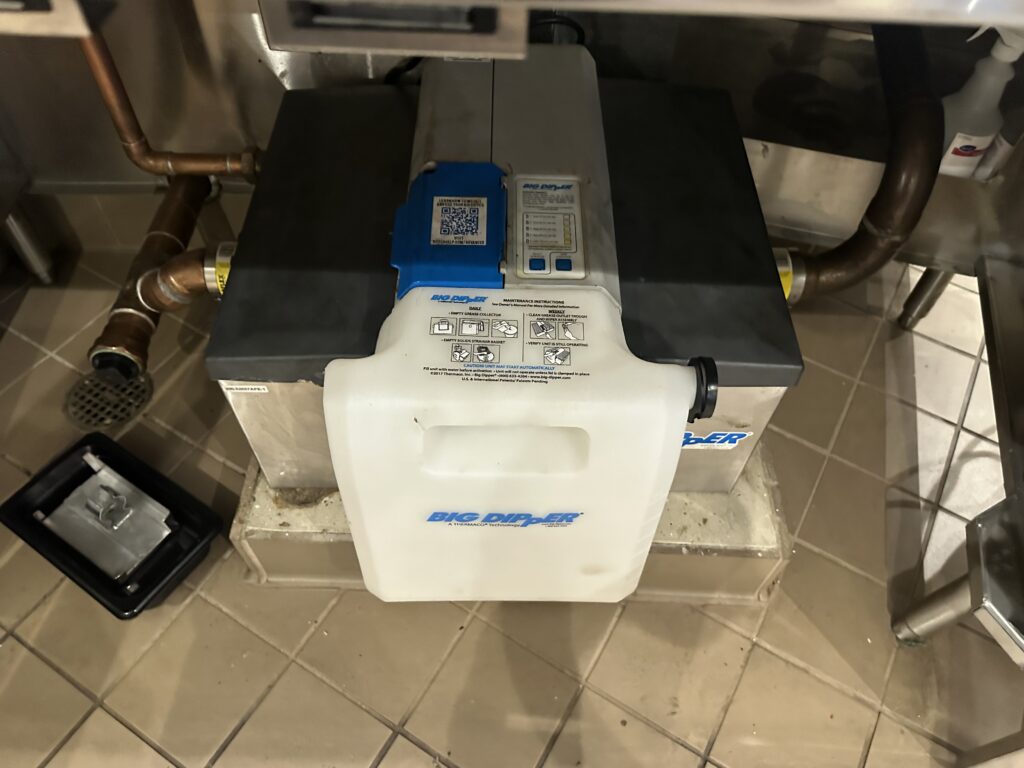
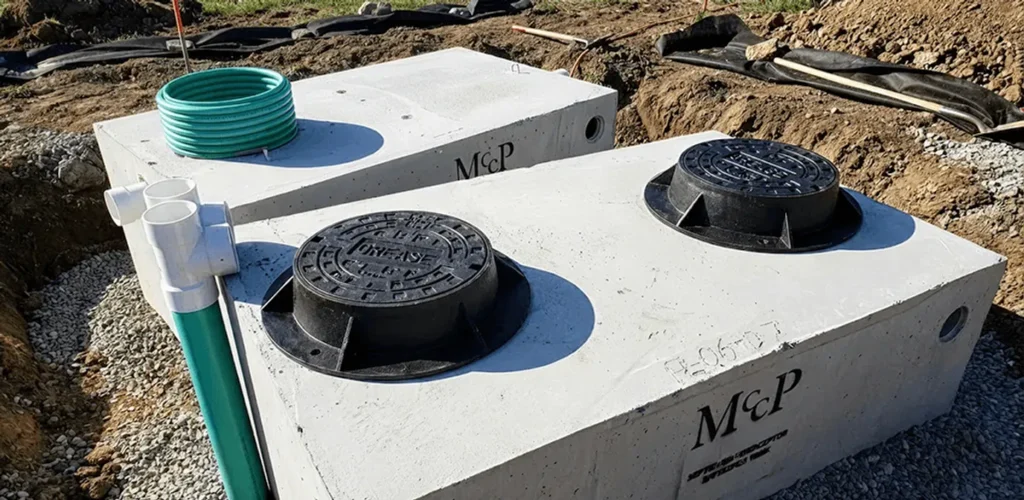
Did you search for grease trap installation near me for a restaurant in Los Angeles? We provide commercial grease trap installation services throughout Los Angeles County. We help restaurant owners select the correct grease separation unit, plan a suitable location, and understand the expected cost of grease trap installation before work begins. Our team handles indoor, above ground, and underground grease trap installations for commercial kitchens of different sizes. Scheduled service is available for planned projects, with 24/7 support for emergency installation needs that could interrupt commercial kitchen operations. Call 888-789-1090 to discuss your restaurant grease trap installation requirements, and request a free quote NOW.
GET A FREE QUOTE
Why Choose Us
Affordable Grease Trap Installation for Food Businesses
We help restaurant owners plan their grease trap installation projects with confidence. We evaluate commercial kitchen needs, explain suitable system options, provide transparent estimates, and coordinate work around restaurants operating schedules. From indoor units to underground grease interceptors, our team focuses on affordable grease trap installation, dependable performance, and 24/7 support throughout Los Angeles County cities.

Experienced Experts

AVAILABLE 24/7

Clear Estimates

iNDUSTRY EXPERTS

LOCAL IN lOS ANGELES

LICENSED & CERTIFIED
Grease Trap Installation Steps
How to Install a Grease Trap for Restaurants
Assess the Site and Choose the Correct Grease Trap Size
Installation of a grease trap starts with a careful review of the commercial kitchen, its plumbing layout, and the amount of wastewater produced during busy hours. The installer as part of site assessment identifies every sink, dishwasher, floor drain, and food preparation fixture that will connect to the grease filtering system. This information helps determine the required flow rate and grease holding capacity. The proposed grease trap installation location is then checked for pipe access, ventilation, available space, and future pumping needs. An undersized trap may fill too quickly, while a poorly placed unit can create drainage and servicing problems. Before the equipment is ordered, the installer should confirm the required grease trap size, installation steps, and all applicable Los Angeles County waste management requirements.
Prepare and Secure the Grease Trap Installation Area
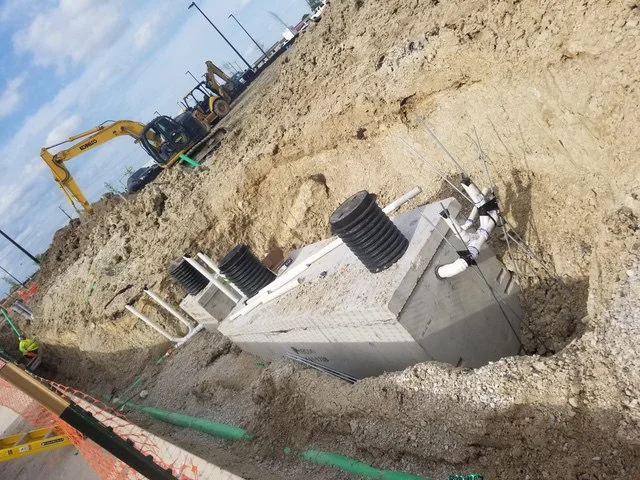
Once the appropriate location for installing a grease trap has been approved, the installation area must be cleared and prepared for safe access. For an indoor unit, cabinets, stored items, or nearby equipment may need to be moved so the grease trap installer can reach the plumbing. The floor or wall must provide stable support for the trap when it is full. For an underground grease trap installation, the work area is marked, secured, excavated, and prepared with a level base that can support the interceptor. Existing pipes are exposed carefully, and utilities are identified before digging begins. The area should remain protected from kitchen staff and customers until the new grease trap installation is done and tested.
Connect the Inlet Outlet Vent Lines And Verify Proper Wastewater Flow
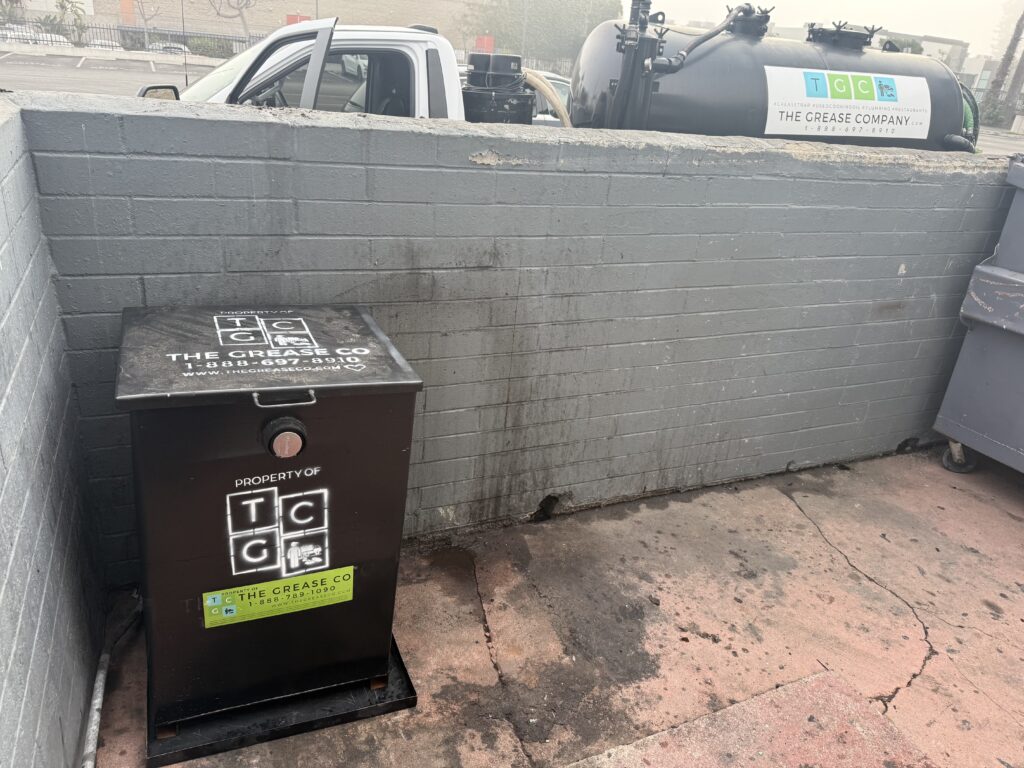
After the grease trap is connected between the kitchen fixtures and the main wastewater line. The inlet pipe carries greasy wastewater into the unit, while the outlet pipe allows separated water to continue toward the sewer. Both connections must face the correct direction and use secure fittings to prevent grease spills or backups. The vent line helps air move through the drainage system and reduces pressure problems that can slow wastewater flow. Restaurant owners should then run water through every connected fixture, check each joint for leaks, and watch for standing water or slow drainage. Any flow problem must be corrected before the grease trap enters regular operation.
Final Test and Teach the Kitchen Staff Preventive Maintenance Practices
Before the grease trap enters daily use, it should be completely tested to confirm that water flows correctly and the system has no leaks, backflow, loose connections, or drainage problems. After approval, preventive maintenance becomes the restaurant’s responsibility. Staff should scrape plates before washing, keep strainers inside sinks, and place used cooking oil in approved collection containers instead of drains. Managers should monitor how quickly the trap fills, record pumping dates, and schedule service before grease and solids exceed working capacity. Strong odors, slow drains, or grease near the outlet should be reported early. Consistent preventive care protects the installation and helps the grease trap perform reliably longer. Need more tips? Contact us.
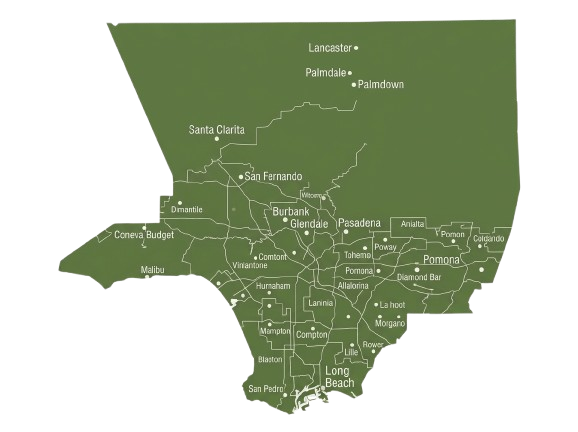
Affordable Grease Trap Installation Across Los Angeles Communities
Providing professional grease trap installation services for commercial kitchens throughout the county.
Long Beach
Burbank
Glendale
Lancaster
Palmdale
Pomona
Torrance
Pasadena
Downey
Covina
Norwalk
Compton
Installation Questions Answered
Common Questions About Grease Trap Installation
Learn about grease trap lifespan, inspections, clogs, grease trap overflows, leaks, and the correct repair steps.
1. Can I install my own grease trap?
You may be able to install a small under-sink grease trap if you have plumbing experience and local authorities allow it. The work requires correct measurement, secure inlet and outlet connections, proper venting, suitable pipe slope, leak testing, and safe access for future cleaning. However, installation of a grease trap in restaurants are rarely simple DIY projects. A mistake can cause slow drainage, leaks, wastewater backups, poor grease separation, or a failed inspection. Large outdoor or underground grease trap installation also requires excavation, heavy equipment, work permits, and enough plumbing experience. For most Los Angeles restaurants, hiring a qualified grease trap installation company is the safer and more reliable choice for protecting daily operations.
2. How much does it cost to install a grease trap?
Grease trap installation price usually ranges from $2,000 to $20,000 or more, depending on the system and installation site. Small indoor or under-sink traps generally cost $2,000 to $5,000 installed. Automatic grease removal systems may cost between $4,000 and $8,500. Large underground grease trap installations can range from $8,000 to $40,000 or more because they require excavation, concrete work, heavy equipment, and extensive plumbing. Other price factors that may influence the cost of installing a grease trap include tank capacity, material, pipe modifications, site accessibility, and local labor rates.
3. How should a grease trap be installed?
A grease trap should be installed between grease-producing kitchen fixtures and the main wastewater line. The unit must be correctly sized, placed where it remains accessible, and positioned according to manufacturer instructions and local plumbing requirements. The inlet should receive wastewater from connected sinks, while the outlet should carry separated water toward the drain line. Secure fittings, proper pipe slope, flow control, and suitable venting help prevent leaks, backflow, odors, and slow drainage. After connection, the system should be filled and tested for water flow and leaks. But commercial grease trap installation is not recommended as a DIY project. The Los Angeles County Department of Public Health requires applicable food-facility plans to include grease trap details for review and approval. Commercial kitchens across the county should hire a licensed grease trap installation company to ensure proper installation, reliable performance, and compliance with local requirements.
4. What is the lifespan of a grease trap?
A commercial grease trap generally lasts between five and ten years, although some materials can remain usable much longer. Standard steel traps may last around five years because moisture, food waste, and corrosive gases gradually damage the metal. Concrete interceptors often last about ten years, while plastic or polyethylene units may exceed ten years because they resist rust and chemical corrosion. Lifespan also depends on kitchen volume, correct sizing, installation quality, and pumping frequency. An undersized or neglected system may deteriorate sooner. Regular inspections can identify cracks, corrosion, leaking seams, damaged baffles, and problems before the grease trap fails completely.
5. Where is the best place to put a grease trap?
The best location for a grease trap installation is close to the kitchen fixtures that produce greasy wastewater, such as three-compartment sinks, preparation sinks, and dishwashing areas. Small indoor grease traps are often placed beneath or near a sink in kitchens with limited wastewater flow. Large underground interceptors are installed outside restaurants with higher grease production. The location must remain accessible for inspections, cleaning, and pumping without interfering with food preparation. Final placement should follow manufacturer instructions, plumbing connections, and local installation requirements.
6. Should I choose an above ground or underground grease trap?
Choose an above ground grease trap when your restaurant produces a lower volume of wastewater, has adequate space, and needs convenient access for inspection and cleaning. These smaller units require more affordable grease trap installation because they do not need excavation. An underground grease interceptor is better suited to large restaurants, hotels, cafeterias, and other high-volume kitchens that generate more grease and wastewater. Underground systems provide greater capacity but require excavation, additional plumbing, and suitable access for future servicing. The correct option depends on wastewater volume, available space, connected fixtures, installation price, and local requirements.

Absolutely fantastic company to work with! Miko was incredibly customer friendly and happy to help, and provided assistance in any way he could.

Los Angeles
The Grease Company arrived quickly, cleaned our overflowing trap thoroughly, and left our restaurant kitchen ready for the busy dinner service that evening.

Long Beach
Their team handled our scheduled grease trap pumping professionally, explained the service clearly, and completed everything without interrupting our kitchen operations.
Pasadena
Absolutely fantastic company to work with! Miko was incredibly customer friendly and happy to help, and provided assistance in any way he could.
Lancaster
We needed emergency grease trap cleaning, and their crew responded promptly, removed the buildup, and helped prevent a complete restaurant shutdown that night.
Torrance