
Grease Interceptor Service
Grease Interceptor Cleaning Service for LA Commercial Kitchens
What is a Grease Interceptor?
Key Differences Between grease interceptor vs grease trap
A grease trap and a grease interceptor are similar devices designed to serve the same purpose for commercial kitchens across Southern California. They both capture fats, oils, and grease before they enter the sewer system, but they differ in size, capacity, placement, and use. A grease trap is usually a smaller unit installed indoors near sinks, dishwashers, or food preparation areas. It handles lower wastewater volumes and often requires more frequent grease trap cleaning. A grease interceptor is generally larger and designed for busy restaurants, hotels, cafeterias, grocery stores, and other commercial food establishments. It may be installed outdoors, underground grease interceptor, or in another accessible service area. Interceptors can manage higher flow rates and hold more grease, wastewater, and food solids before pumping is required. Both systems support cleaner plumbing and help reduce backups, odors, and sewer problems. The right option depends on different factors such as kitchen size, number of kitchen sinks, wastewater flow, menu type, local FOGS control regulations, and available installation space. However, regular inspection, grease interceptor cleaning, and maintenance are essential for both systems to maintain proper separation and reliable performance.

Signs Your Restaurant Needs Grease Interceptor Cleaning Service Today
A grease interceptor protects your restaurant’s plumbing by capturing fats, oils, grease, and food solids before they reach the sewer system. When the tank becomes overloaded, it can cause slow drains, foul odors, backups, and unsanitary kitchen conditions. Recognizing early warning signs helps restaurant owners schedule interceptor services before a minor issue disrupts operations. The following signs often indicate that a commercial grease management system needs emergency grease interceptor services such as grease interceptor cleaning, or grease interceptor repair to restore safe wastewater flow.
Grease Layer Reaches One Quarter Tank Depth
Strong Foul Odors Indicate Needs for Grease Interceptor Cleaning
Kitchen Wastewater Drains Noticeably Slower Than Normal
Grease Appears Around Interceptor Lids, or Inside Kitchen Areas
Solids And Sludge Fill The Interceptor Bottom
These warning signs usually mean your grease interceptor is approaching capacity or already overdue for grease interceptor pumping. Delaying interceptor services can reduce grease control efficiency and place extra strain on your restaurant’s drainage system. Professional grease interceptor services can remove grease, wastewater, sludge, and food solids while allowing technicians to inspect for damaged baffles, leaks, corrosion, and flow restrictions. Scheduling service promptly protects grease interceptor performance, reduces the risk of costly operational disruptions and supports compliance with applicable waste management requirements.
Need Restaurant Grease Interceptor Services for Food Businesses In Los Angeles County?
Did you search for grease interceptor cleaning near me for your food service establishment? Our grease interceptor services support commercial kitchens throughout Los Angeles County with dependable cleaning, pumping, grease interceptor repair, and replacement solutions. Whether your grease management system is overdue for routine service, showing signs of damage, or causing odors and slow drainage, our team will inspect the interceptor and recommend the right grease trap solution. Scheduled grease interceptor pumping helps remove built-up grease, sludge, wastewater, and food solids before they disrupt kitchen operations. When cleaning alone is not enough, we can address damaged components or replace a failing system. Our grease interceptor services are available for restaurants, hotels, bakeries, cafeterias, grocery stores, and other commercial kitchens. Contact us today to arrange dependable service, protect wastewater flow, and keep your grease control system working properly.
GET A FREE QUOTE
Why Choose Us
Trusted Grease Interceptor Cleaning Service for LA Restaurants
Choose experienced grease interceptor cleaning companies who understand grease interceptor pumping, repair, and replacement needs of commercial kitchens. We provide dependable scheduling, thorough service, clear recommendations, emergency support, and proper waste handling for restaurants across Los Angeles County. Our team helps reduce unexpected backups, protect wastewater flow, and keep your interceptor operating efficiently.

Experienced Experts

AVAILABLE 24/7

Clear Estimates

iNDUSTRY EXPERTS

LOCAL IN lOS ANGELES

LICENSED & CERTIFIED
Comprehensive Interceptor Services
Affordable Grease Interceptor Services for Los Angeles
Effective Grease Interceptor Pumping for Commercial Kitchens
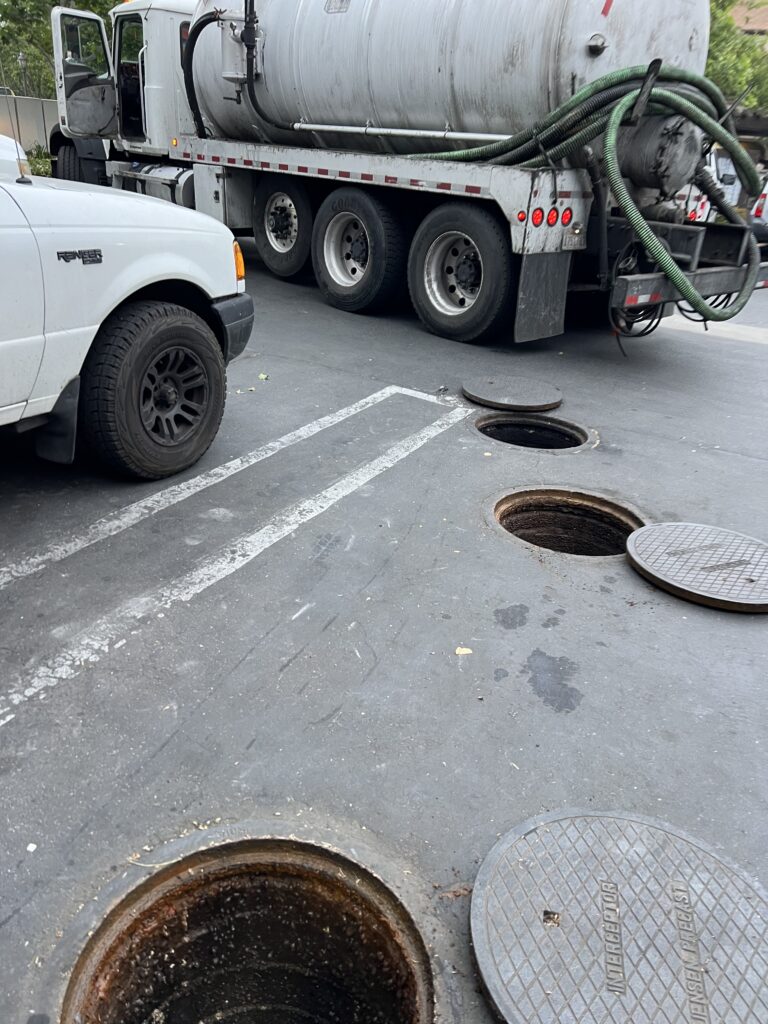
Effective grease interceptor cleaning requires more than removing the floating grease layer. A professional grease interceptor cleaning service evacuates the contents of the unit, including wastewater, settled solids, sludge, and hardened FOG deposits that reduce working capacity. Grease interceptor pumping should be scheduled before grease and solids reach 25 percent of the tank’s operating depth, although high-volume kitchens may require service more frequently than every 90 days. After evacuation, technicians should clean the interior walls, clear inlet and outlet areas, and inspect baffles, fittings, covers, and seals for damage or restricted flow. An experienced grease management team helps preserve separation efficiency, reduce sewer backups, and prevent odors from disrupting restaurant operations. Restaurants should receive a service manifest report documenting pumping dates, waste volumes, and grease disposal details.
Reliable Grease Interceptor Repair for Restaurant Systems
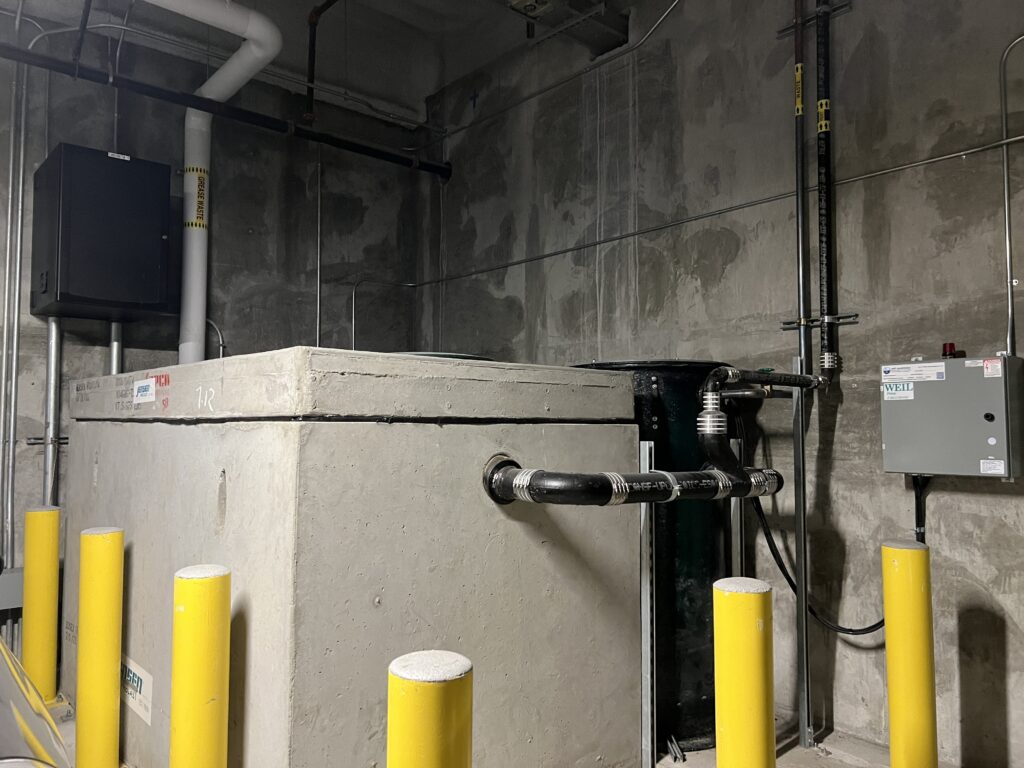
Reliable grease interceptor repair helps restaurants correct leaks, damaged baffles, worn seals, cracked fittings, and restricted inlet or outlet connections before minor defects cause larger drainage problems. Experienced grease management technicians assess the interceptor’s condition, identify the source of the problem, and recommend repairs that restore flow and grease separation. When practical, targeted grease interceptor repairs can extend lifespan and reduce cost of grease interceptor service. Restaurant operators should retain inspection findings, repair records, and maintenance recommendations to support compliance with local FOG control, and inspection requirements. Timely grease interceptor repair supports dependable kitchen operations, helps prevent sewer backups and odors, and protects the surrounding plumbing system.
Professional Grease Interceptor Replacement for Food Businesses
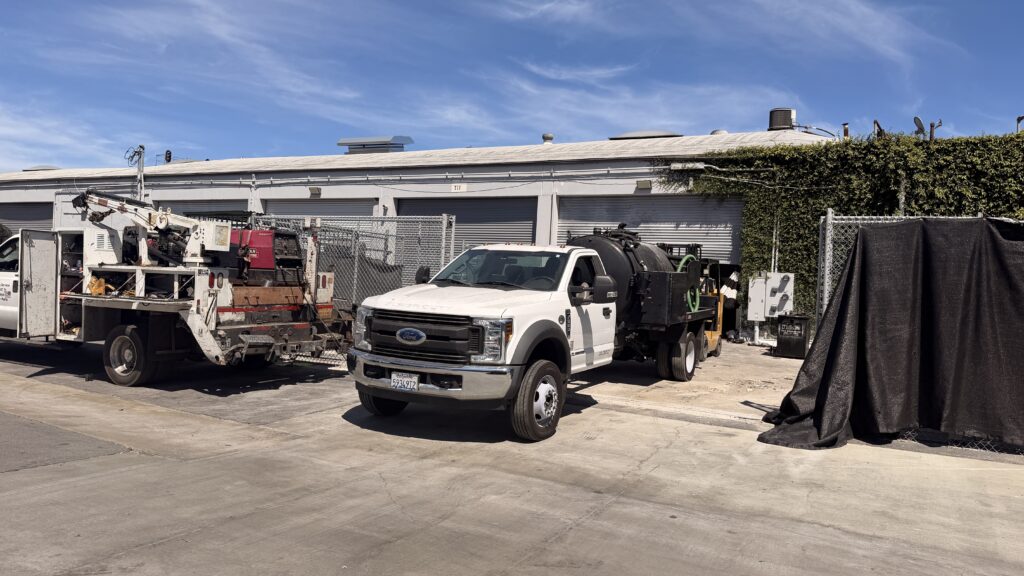
Professional grease interceptor replacement helps food businesses address severely corroded, cracked, leaking, undersized, or repeatedly failing systems that no longer protect commercial kitchen plumbing effectively. Before replacement, technicians pump and inspect the existing interceptor, evaluate wastewater flow, confirm access conditions, and determine the correct capacity for the facility. The replacement process may include removing the damaged unit, reconnecting inlet and outlet pipes, installing a properly sized interceptor, and testing the system for secure flow and leak prevention. A properly planned grease interceptor replacement improves reliability, reduces recurring emergencies, and supports long-term grease management.
Contact Us for The Best Grease Interceptor Service Across LA County
Are you looking for affordable grease interceptor services in Los Angeles, Long Beach, Pasadena, Glendale, Burbank, Torrance, or the surrounding LA community? We deliver prompt response times, thorough grease removal, system inspections, dependable grease interceptor repairs, replacements and compliant grease handling designed to protect kitchen operations and wastewater flow. Call us at 888-697-8910 to schedule routine service or request emergency assistance. Our grease interceptor specialists are available 24/7.
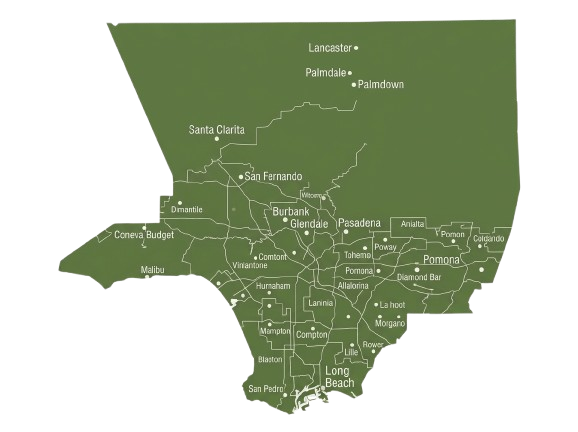
Restaurant Grease Interceptor Cleaning Across LA Communities
Serving restaurants in Los Angeles, Long Beach, Pasadena, Glendale, Burbank, and Torrance with Reliable Grease Interceptor Services.
Long Beach
Burbank
Glendale
Lancaster
Palmdale
Pomona
Torrance
Pasadena
Downey
Covina
Norwalk
Compton
Common Interceptor Questions
Grease Interceptor Pumping Questions Restaurants Often Asks
Learn about grease trap lifespan, inspections, clogs, grease trap overflows, leaks, and the correct repair steps.
1. How are grease interceptors cleaned?
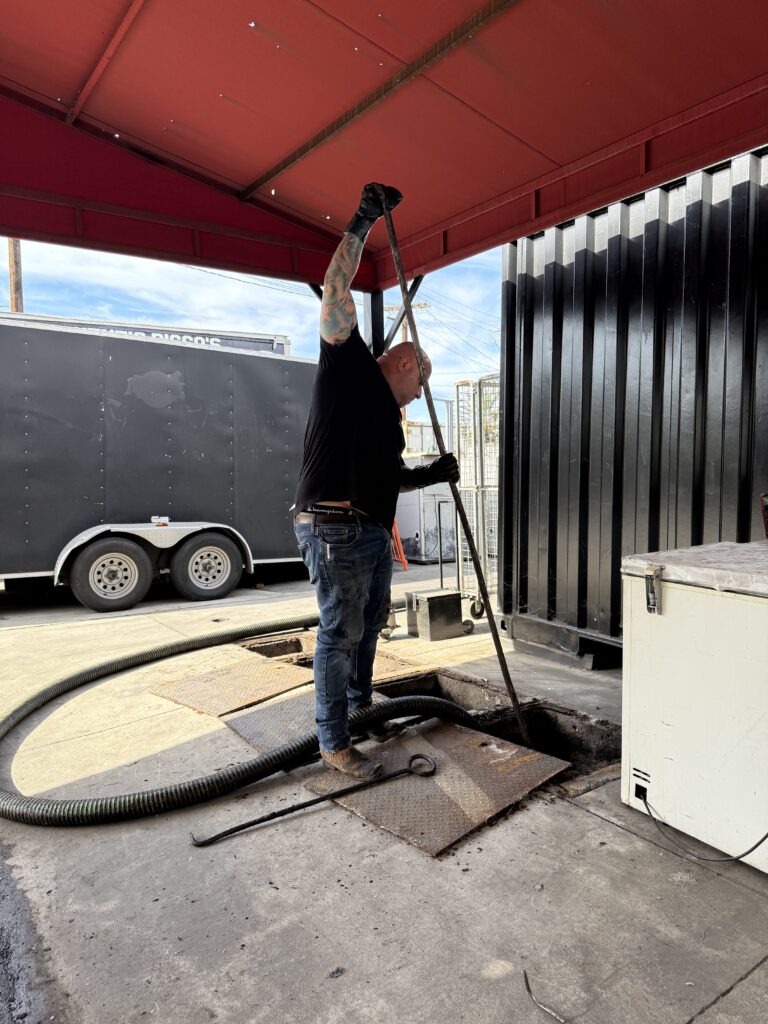
Grease interceptors cleaning starts by first shutting off connected sinks and dishwashers, allowing the system to cool, and putting on protective gloves, goggles, and coveralls. The lid is then opened carefully to avoid damaging the gasket or access cover. Technicians remove the floating fats, oils, and grease, followed by wastewater, sludge, and settled food solids using pumping equipment or a wet vacuum. Removable baffles are taken out when accessible, and the interior walls, lid, baffles, inlet, and outlet areas are scraped to remove hardened buildup. After cleaning, all components are rinsed, inspected for damage, and reinstalled securely. The interceptor is then closed, service details are recorded in a manifest report, and the waste is transported for proper disposal in accordance with local grease handling requirements of Los Angeles County.
2. How often should a grease interceptor be cleaned?
A commercial grease interceptor should generally be cleaned every 90 days, although the correct schedule depends on the restaurant’s operating conditions. High-volume kitchens, fried-food restaurants, hotels, cafeterias, and food production facilities may require more frequent grease interceptor pumping because grease and solids accumulate faster. Interceptor size, daily meal volume, menu type, kitchen practices, wastewater flow, and previous service findings all affect cleaning frequency. Restaurants should inspect the system regularly and adjust the schedule when odors, slow drainage, rising waste levels, or reduced separation performance appear between services. Maintaining consistent pumping records also helps identify how quickly the interceptor fills. A professional grease management provider can review service history and recommend a cleaning schedule that supports reliable drainage, safe commercial kitchen operations, and grease management compliance.
3. What is the 25 percent rule for grease interceptors?
The 25 percent rule of grease interceptor cleaning refers to a large grease separation device that should be cleaned when the combined layer of floating fats, oils, and grease at the top and settled food solids at the bottom reaches one quarter of the tank’s total liquid depth. Keeping at least 75 percent of the interceptor available allows wastewater to slow down so grease and solids can separate effectively. Following this rule helps prevent buildup from entering drain lines and causing sewer backups. Commercial kitchen staff can easily check the grease level with a core sampler and schedule grease interceptor pumping once the layers reach 25 percent of its total fogs holding capacity.
4. How do I know when my grease interceptor is full?
A grease interceptor may be full when kitchen sinks and floor drains begin emptying slowly, strong sour odors rise from the plumbing, or pipes make bubbling and gurgling sounds during use. More serious signs include wastewater backing up into sinks, pooling around the interceptor, or overflowing near the access cover. Because these symptoms can also indicate a drain blockage or damaged component, the waste level should be checked directly. An expert grease management technician can use a measuring stick, sludge judge, or grease sampling tube to measure the floating grease and settled solids inside the tank. Regular inspections and accurate service records help restaurants identify filling patterns and schedule grease interceptor pumping before it disrupts operations.
5. Why does my grease interceptor smell bad?
A grease interceptor smells bad when trapped fats, oils, grease, and food solids begin decomposing inside the tank. This process can release hydrogen sulfide and other gases that produce strong sour or rotten-egg odors. Delayed grease interceptor cleaning is a common cause, but smells may also come from a dry or damaged P-trap, blocked vent line, cracked baffle, loose access cover, or worn lid seal. Professional grease interceptor pumping removes rancid grease, sludge, and decomposing food waste while allowing the system to be inspected for damaged components or poor ventilation. Restaurants should also keep P-traps filled with water, maintain proper venting, and use only approved maintenance products. Persistent odors should be inspected promptly rather than covered with fragrances or harsh chemicals.
6. Can a restaurant remain open during grease interceptor cleaning?
A restaurant can often remain open during grease interceptor cleaning when the unit is outside and technicians can work without affecting food preparation areas. However, connected sinks, dishwashers, and drains may need to remain unused during service. Indoor cleaning, backups, spills, or strong odors may require temporary closure of part or all of the kitchen. We offer flexible scheduling and can arrange grease interceptor service during hours that suit your restaurant’s schedule.
6. What happens if grease interceptors are neglected?
Neglected grease interceptors can become overloaded with fats, oils, grease, sludge, and food solids, reducing separation efficiency and restricting wastewater flow. As buildup increases, restaurants may experience foul odors, slow drains, backups, overflows, pest activity, and unsanitary kitchen conditions. Grease can also escape into downstream plumbing or public sewer lines, creating blockages and potential compliance issues. Regular pumping, inspection, and maintenance help prevent emergency shutdowns, costly repairs, property damage, and disruption to daily restaurant operations while supporting reliable wastewater management.

Absolutely fantastic company to work with! Miko was incredibly customer friendly and happy to help, and provided assistance in any way he could.

Los Angeles
The Grease Company arrived quickly, cleaned our overflowing trap thoroughly, and left our restaurant kitchen ready for the busy dinner service that evening.

Long Beach
Their team handled our scheduled grease trap pumping professionally, explained the service clearly, and completed everything without interrupting our kitchen operations.
Pasadena
Absolutely fantastic company to work with! Miko was incredibly customer friendly and happy to help, and provided assistance in any way he could.
Lancaster
We needed emergency grease trap cleaning, and their crew responded promptly, removed the buildup, and helped prevent a complete restaurant shutdown that night.
Torrance